Review: Set of Christmas Cards with Fir Trees for Embroidery
As a designer who spends more time staring at stitch simulations than actual holiday lights, I approach seasonal design assets with a critical eye. We all know the rush of December brings a flood of requests for festive gear, from boutique sweatshirts to personalized home decor. Recently, I took a close look at the Set of Christmas Cards with Fir Trees to see if it holds up under the needle or if it's just another pretty picture that falls apart in the hoop. This isn't just about whether it looks cute on a screen; it's about how it performs as a machine embroidery design in real-world scenarios.
First Impressions and Visual Personality
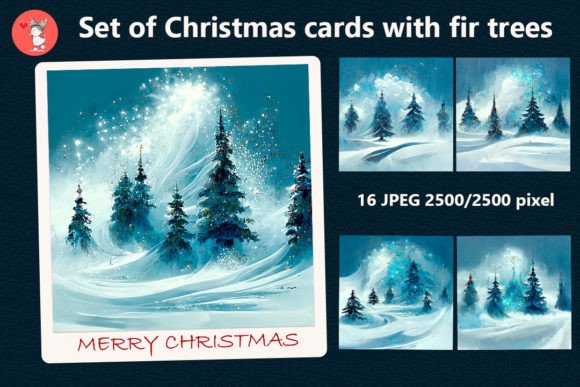
When I first loaded the preview for this Illustrations collection, the immediate takeaway was its charming, storybook aesthetic. Unlike many holiday files that rely on overly dense fills or generic clip-art silhouettes, this set offers a delicate balance of line work and texture. The fir trees are rendered with a sense of depth that suggests movement, almost as if they are swaying in a winter breeze. For an embroidery project, this is crucial. Flat designs can look lifeless on fabric, but the varying line weights here promise a dynamic finished product.
The mood is nostalgic yet modern, making it versatile enough for high-end boutique branding or a cozy family gift. It avoids the trap of being too juvenile, which often limits the market for holiday embroidery. Instead, it sits comfortably in that sweet spot where a design feels artisanal and thoughtful. If you are an Etsy seller looking to differentiate your shop from the sea of mass-produced items, this visual personality is a strong starting point.
Real-World Application: The Holiday Tote Scenario
To truly test the viability of this design, I imagined a specific client request: a run of limited-edition canvas tote bags for a local coffee shop's December promotion. The goal was to create a handmade product that customers would want to reuse year after year, not just discard after the holidays. In this context, the Set of Christmas Cards with Fir Trees shines.
On a sturdy canvas or linen blend, the details of the fir trees would translate beautifully. The design's layout allows for excellent placement on the front panel of a tote bag design without overwhelming the material. Because the artwork relies on clean lines rather than solid blocks of color, it reduces the risk of the fabric puckering—a common nightmare when working with large, dense areas on flexible materials. For a small shop product, this reliability is gold. It means less time unpicking stitches and more time packaging orders.
Beyond totes, I can easily see this working as sweatshirt embroidery on the chest pocket of a heavyweight fleece. The scale of the trees fits perfectly within a standard 4x4 or 5x7 hoop, making it ideal for custom apparel where space is premium. It creates a subtle nod to the season without screaming "novelty item," which appeals to adult buyers who prefer understated style.
Navigating Fabric Textures and Technical Challenges
However, no design is universal, and practical judgment requires knowing where to pull back. While the Set of Christmas Cards with Fir Trees is robust, it demands respect regarding fabric choice. If you are planning to stitch this on a textured fabric like a chunky knit sweater or a waffle weave, you must proceed with caution. Fine details in the tree branches might get lost or distorted by the uneven surface. In these cases, a heavier weight thread or a slight simplification of the smallest elements might be necessary before committing to the final run.
Similarly, stretchy fabrics present a challenge. If you are attempting baby embroidery on a soft cotton onesie, the stability of the design becomes paramount. The intricate nature of the fir trees requires a firm foundation. I strongly advise using a high-quality cut-away stabilizer rather than tear-away for this specific design. Tear-away stabilizers can sometimes leave behind fibers or fail to support the long runs of stitching needed for the tree outlines, leading to a sloppy appearance after the first wash.
Dark fabrics are another consideration. Since this is an illustration-based design, it likely relies on contrast. If the thread colors selected do not pop against a navy or black background, the definition of the trees will vanish. Always run a test stitch-out on scrap fabric of the same color and weight as your final material. This simple step saves money and reputation.
Considerations for Caps and Curved Surfaces
Applying this design to curved surfaces like baseball caps requires extra attention to hoop size and digitizing quality. While the design is suitable for caps, the density of the stitches near the tips of the fir trees could cause pulling if the cap frame isn't tight enough. Ensure your machine is properly calibrated for curved embroidery, and consider reducing the stitch density slightly if you notice the fabric dimpling during the test phase.
Enhancing Brand Value and Customer Trust
Ultimately, the choice of design impacts your brand perception. Using a high-quality file like the Set of Christmas Cards with Fir Trees signals professionalism. Customers can tell the difference between a crisp, well-executed embroidered patch or garment and one that looks jagged or poorly planned. When a buyer receives a personalized gift featuring clear, intentional stitching, it builds trust. They are more likely to return for future purchases or recommend your craft business to friends.
For those creating printable mockups for digital listings, this design offers excellent versatility. Its clean lines photograph well, allowing you to showcase the texture of the thread and the quality of the garment. This visual clarity drives engagement in online marketplaces, where the image is the only tactile experience a customer has before buying.
Practical Notes for the Professional Maker
Before integrating this into your production line, keep these technical checkpoints in mind:
- Test First: Always stitch a sample on scrap fabric identical to your final product to check for registration issues.
- Thread Contrast: Verify that your chosen thread colors provide sufficient contrast against the fabric, especially for the finer details of the trees.
- Stabilizer Selection: Match your stabilizer to the fabric weight; heavier fabrics may need less support, while knits require maximum stability.
- Licensing Check: Confirm the license terms associated with the digital embroidery file. Ensure you have the rights for commercial use if you plan to sell finished items or use them in client projects.
- File Formats: Verify that the download includes the specific format compatible with your machine (e.g., PES, DST, EXP) to avoid conversion errors that can alter stitch paths.
The Set of Christmas Cards with Fir Trees is a compelling option for designers seeking a blend of artistic flair and practical functionality. It respects the limitations of the medium while pushing the aesthetic boundaries of typical holiday motifs. With careful preparation and an understanding of your materials, this design can elevate your commercial embroidery offerings, turning simple fabric into cherished keepsakes.