Review: Christmas Cookies Gift PNG Sublimation for Embroidery
As a designer who spends most of my life staring at stitch simulations and thread charts, I approach every new digital embroidery file with a healthy dose of skepticism. We have all been there: you buy a cute graphic, load it into your software, and realize the density is all wrong or the details are too fine for anything other than a poster. That is why I took a close look at the Christmas Cookies Gift PNG Sublimation design from the Illustrations category. While this asset is technically marketed for sublimation, my job is to figure out if it holds up when translated into a machine embroidery design for real-world client projects.
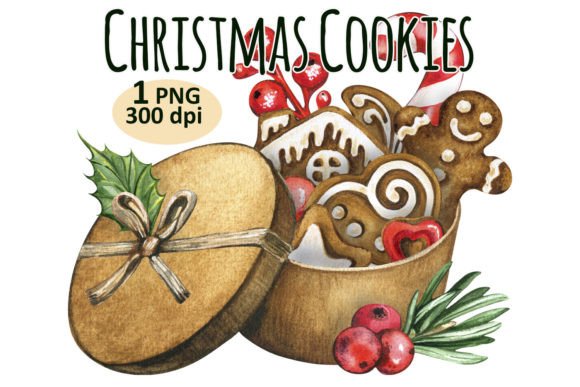
The first impression of this design is undeniably cozy. It captures that specific nostalgic mood of holiday baking without feeling cluttered. The layout features classic cookie shapes—gingerbread men, sugar cookies, and perhaps a rolling pin or milk glass—arranged in a way that feels organic rather than rigidly grid-like. For an embroiderer, this visual personality suggests a project that needs to feel handmade and warm. It is not a corporate logo; it is a personalized gift waiting to happen. However, moving from a PNG image to actual thread requires some serious translation work.
Translating Pixels to Stitches for Holiday Projects
When I imagine using this design for a holiday embroidery project, my mind immediately goes to kitchen textiles. A flour sack towel or a linen apron would be the perfect canvas. The whimsical nature of the cookies fits the context of baking perfectly. If I were digitizing this myself based on the source image, I would lean heavily on fill stitch for the cookie bodies to give them substance, using satin stitch for the outlines and decorative icing details. The challenge here is the "icing" drips and sprinkles often found in these illustrations. In a sublimation print, a tiny white dot is easy. In embroidery, a tiny isolated dot is a nightmare of trim points and potential unraveling.
For a small shop product like a boutique tote bag, this design could be a winner if scaled correctly. Tote bags usually have a tighter weave, which supports detail well. I can picture this stitched in warm creams, gingerbread browns, and festive reds on a natural canvas bag. It creates an immediate association with homemade care, which boosts the perceived value of the finished product. Customers love items that tell a story, and a bag that says "I bake cookies" through imagery rather than text is subtle and effective.
Real-World Application: The Custom Sweatshirt Scenario
Let's get practical. Imagine a client comes to you asking for a matching family set of sweatshirt embroidery for Christmas morning photos. They want something cute but not childish. This is where the Christmas Cookies Gift PNG Sublimation concept shines, provided you adapt it. Sweatshirts are thick and fuzzy, which means fine details get lost. If you attempt to stitch the smallest cookie details directly onto fleece, they will sink in and look muddy.
In this scenario, I would recommend turning this into an embroidered patch. You can digitize the design with higher density on a stable twill backing, stitch it out, cut it, and then appliqué it onto the sweatshirt. This technique, known as applique design, solves the texture issue completely. It adds a layer of dimension that makes the cookies pop off the fabric. Plus, patches are trendy right now, appealing to a younger demographic while still feeling traditional enough for grandma. It transforms a simple graphic into a high-end custom apparel piece that justifies a higher price point for your craft business.
Navigating Fabric Textures and Hoop Limitations
One of the critical factors in reviewing any design asset is understanding where it might fail. The Christmas Cookies Gift PNG Sublimation likely has intricate corners and varying line weights. If you are working with a stretchy fabric like a baby onesie for baby embroidery, you have to be careful. Stretch fabrics distort stitches. If the design has long runs of satin stitch without proper underlay, the fabric will pucker, and your cookies will look warped.
Furthermore, consider the hoop size. If the original illustration is wide, it might require a large hoop, which limits what garments you can decorate. Caps, for instance, are notoriously difficult due to their curved surface. Trying to force a detailed cookie scene onto the front panel of a cap is a recipe for registration errors. For curved surfaces, I would suggest isolating just one element from the design—perhaps a single gingerbread man—and using that as a pocket accent instead of the full scene.
Dark fabrics present another hurdle. Since this is a PNG intended for sublimation, it likely relies on light colors against a transparent or white background. If you are stitching on a navy blue pillow cover or a black tee, you cannot rely on the fabric to show through as "white." You will need to manually add a white underbase or use light-colored threads for the entire cookie shape, which increases your stitch density and production time. Always test your thread colors against the fabric swatch before committing to the final run.
Enhancing Brand Value and Customer Trust
Why does any of this technical scrutiny matter? Because as an Etsy seller or boutique owner, your reputation hinges on the quality of the handmade product you deliver. A blurry, poorly stitched design screams "amateur," while a crisp, well-thought-out embroidery project builds customer trust. Using a versatile asset like this allows you to create a cohesive line of design assets for your brand. Maybe you offer the design on towels, aprons, and oven mitts. This consistency helps with brand recognition.
Moreover, the "giftability" factor is huge during the holidays. People are looking for unique presents that don't look mass-produced. By taking a digital file and applying skilled craftsmanship to it, you are adding value that a printed shirt simply cannot match. The texture of the thread, the slight raise of the stitches, and the durability of embroidery make the item feel premium. This directly influences buyer engagement and can lead to repeat customers who appreciate the effort put into the commercial embroidery work.
Practical Notes for the Professional Maker
Before you rush to list this as a new item in your store, here are my professional recommendations for working with this type of design:
- Test on Scrap First: Never skip the test run. Stitch the design on the exact same fabric and stabilizer combination you plan to use for the final product. This reveals issues with pull or density.
- Check Licensing: Just because you bought a PNG for sublimation does not automatically mean you have the rights to sell it as a physical embroidered good or a digitized file. Always confirm the license terms for commercial embroidery usage.
- Stabilizer Selection: For textured fabrics like towels, use a water-soluble topper to prevent stitches from sinking. For stretchy knits, a cut-away stabilizer is non-negotiable to prevent distortion over time.
- Simplify Details: If you are digitizing this yourself, do not try to replicate every pixel. Simplify the "sprinkles" and tiny text. Sometimes less is more when working with thread.
- Mockup Verification: Create both color and black-and-white mockups. Ensure the design reads clearly even without color cues, which helps in assessing contrast and shape integrity.
In conclusion, the Christmas Cookies Gift PNG Sublimation offers a charming foundation for a variety of embroidery projects. It is not a plug-and-play solution for every situation, but with thoughtful adaptation regarding fabric choice, stitch types, and application methods, it can become a standout piece in your holiday collection. Whether you are making a single personalized gift for a neighbor or stocking up inventory for a craft fair, the key lies in respecting the limitations of the medium while leveraging the warmth of the design. Happy stitching!