Rainbow Ribbon Christmas Trees: A Designer's Review
As someone who spends more time staring at stitch maps than most people spend looking at actual trees, I approach every new machine embroidery design with a mix of excitement and skepticism. We have all been burned by beautiful preview images that turn into thread nests on the hoop. So, when I first laid eyes on Rainbow Ribbon Christmas Trees, my immediate reaction wasn't just about the cuteness factor; it was about feasibility. This isn't just a graphic; it is a set of instructions for a machine to manipulate thread into a specific shape, and the difference between a hobbyist sketch and a professional asset often lies in those details.
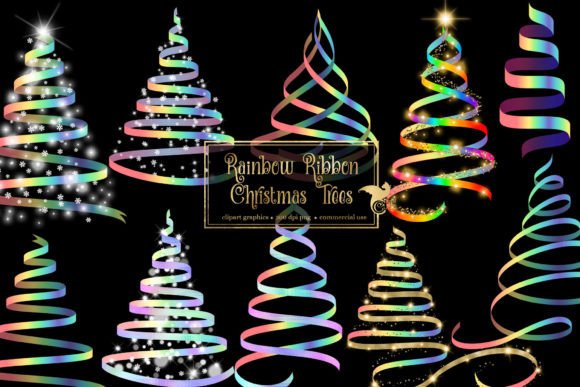
The first impression of this design is undeniably cheerful. The concept of rendering a holiday tree through flowing ribbons rather than traditional pine boughs offers a modern, whimsical twist on seasonal decor. It feels less like a rigid symbol and more like a celebration. For an Etsy seller or a boutique owner looking to differentiate their holiday embroidery lineup from the sea of standard green fills, this visual personality is a strong starting point. The layout suggests movement, which is fantastic for creating dynamic handmade products that catch the eye without being overwhelming.
Real-World Application: The Tote Bag Test
To truly evaluate Rainbow Ribbon Christmas Trees, I mentally placed it onto a real-world project: a custom canvas tote bag intended for a holiday market stall. Canvas is a forgiving but textured fabric, and ribbon-style designs rely heavily on smooth transitions to maintain their illusion of flow. In this scenario, the design shines because the ribbon motif naturally accommodates the slight irregularities of woven fabric better than a hyper-realistic photo-stitch would.
Imagine stitching this onto a natural beige tote. The vibrant thread colors required for the rainbow effect would pop beautifully against the neutral background. For a craft business, this translates to high perceived value. Customers aren't just buying a bag; they are buying a piece of art that feels intentional and designed. If you are selling custom apparel or sweatshirt embroidery, this design works equally well on fleece or French terry, provided you manage the stretch. The ribbon shapes are generally broad enough to avoid getting lost in the nap of the fabric, a common pitfall with intricate Illustrations.
Technical Performance and Stitch Quality
When we dig into the technical execution, the success of Rainbow Ribbon Christmas Trees depends heavily on how the stitch density is managed. Ribbon effects usually require a combination of satin stitch for the edges and perhaps a fill stitch for the body to create depth. As a reviewer, I look for smooth column transitions. If the digitizer has done their job, the ribbons should twist and turn without excessive jump stitches or unnecessary trims that weaken the structure.
However, caution is advised regarding thread colors. A rainbow palette implies frequent color changes. In a production environment, say you are making fifty units for a small shop product line, every color stop adds time. You need to weigh the visual impact against your production timeline. Additionally, check the stitch density in the overlapping areas of the ribbons. If the design stacks too many layers of thread in one spot, you risk creating a stiff, cardboard-like patch on your finished product, which is uncomfortable for wearables like baby clothes or caps.
Navigating Fabric Challenges
Not every surface is created equal. While this design is versatile, there are specific scenarios where you need to proceed with care. If you are attempting this on a curved surface like a cap, the long, sweeping lines of the ribbons might distort if the hooping tension isn't perfect. The geometry of a hat requires a design that can withstand the push and pull of the curve; linear or very wide designs sometimes warp. I would recommend testing this on a scrap piece of similar weight fabric before committing to a client's expensive hat.
Similarly, be mindful of dark fabrics. Rainbow designs often include lighter pastel threads. Without a proper underlay or a white base layer (if the design doesn't include one), those light colors can look muddy or translucent against black or navy blue. Always run a test stitch-out on the actual garment color you plan to sell. For baby embroidery, where softness is paramount, ensure the back of the stitching is clean. You might need to use a cut-away stabilizer that is trimmed close to the edge to prevent itchiness, especially since ribbon motifs can have dense coverage.
Commercial Viability and Branding
From a branding perspective, Rainbow Ribbon Christmas Trees offers excellent potential for printable mockups and digital marketing. The colorful nature of the design photographs well, which is crucial for online listings. Whether you are an apparel decorator pitching to local businesses or a digital product seller offering finished goods, the uniqueness of the ribbon theme helps build brand recognition. It signals creativity and attention to detail.
For those considering this as a digital embroidery file to resell, the licensing terms are critical. Never assume a design is free for commercial use unless explicitly stated. If you are using it to create embroidered patches or personalized gifts, ensure your end product complies with the creator's rules. Some designers allow unlimited physical sales but prohibit sharing the file itself. Protecting your craft business means respecting these boundaries to maintain trust within the creative community.
Final Verdict and Designer Notes
Ultimately, Rainbow Ribbon Christmas Trees is a strong contender for your holiday catalog, provided you treat it with the technical respect it demands. It bridges the gap between traditional holiday motifs and modern aesthetic trends. To ensure success, I recommend the following workflow:
- Test on Scrap First: Never skip this step. Use the same fabric and stabilizer combination you intend to use for the final item.
- Check Contrast: View your test stitch in black and white (or squint at it) to ensure the different ribbon sections define clearly against each other.
- Verify Hoop Size: Confirm the design fits your available hoop without needing to re-hoop, which can cause alignment issues.
- Inspect Small Details: Look closely at the tips of the ribbons. Are they sharp, or do they bunch up? This indicates the quality of the digitizing.
- Review Licensing: Double-check if the license covers commercial embroidery projects before listing items for sale.
In the world of handmade goods, the difference between a good product and a great one is often in the preparation. Rainbow Ribbon Christmas Trees has the charm and versatility to become a bestseller in your Etsy listings or a favorite among your private clients. By understanding its strengths and respecting its limitations regarding fabric and density, you can leverage this design asset to create stunning, professional-quality work that stands out during the festive season and beyond.