Orange Christmas Tree Lights: Festive Illustrations
As a brand designer who spends most of my year refining identities for local bakeries, boutique skincare lines, and handmade goods sellers, I approach seasonal assets with a critical eye. It is not enough for a graphic to look cute on a screen; it must hold up under the scrutiny of print production, maintain legibility on small product labels, and genuinely enhance the brand story rather than cluttering it. When I first opened the file for Orange Christmas Tree Lights, my immediate impression was one of warmth and nostalgic charm. This is not a cold, corporate holiday graphic. Instead, it radiates a cozy, inviting energy that feels perfectly suited for businesses wanting to emphasize community, craftsmanship, and comfort during the winter season.
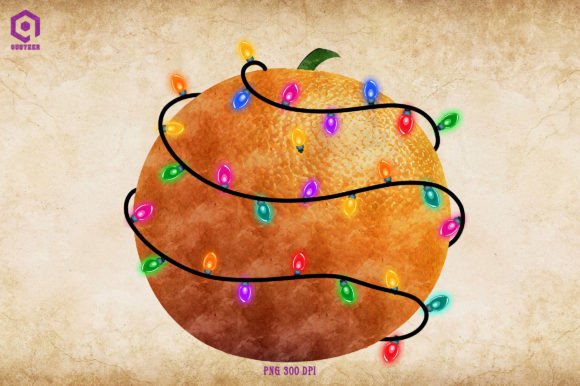
The mood created by these Illustrations suggests a brand personality that is friendly, accessible, and perhaps a bit rustic or artisanal. For a local coffee shop launching a limited-edition peppermint mocha, or a candle maker releasing a winter solstice collection, this asset hits the right emotional note. It avoids the overly polished, sterile look of big-box retail graphics, leaning instead into a style that complements handmade business aesthetics. The orange hue specifically offers a unique twist on traditional red and green palettes, providing a modern design touch that feels fresh yet deeply rooted in holiday tradition.
Transforming Local Brand Identity with Seasonal Warmth
In the realm of small business branding, consistency is key, but so is the ability to adapt to the seasons without losing your core identity. Orange Christmas Tree Lights serves as an excellent bridge between a permanent logo and temporary promotional campaigns. Imagine a local florist using these lights as a decorative border on their holiday wreath price lists or integrating them into the header of their December newsletter. The visual hierarchy remains clear because the illustration acts as a supporting element, drawing the eye without overpowering crucial information like pricing or contact details.
For product sellers, particularly those in the food and beverage sector, packaging design is the primary touchpoint for customer trust. Applying this graphic to a product label can instantly elevate shelf appeal. Picture a jar of artisanal honey or a bag of roasted coffee beans; adding these lights as a subtle background pattern or a focal point on the front label creates a stronger emotional connection with the shopper. It signals that care went into the presentation, which often translates to a perception of higher quality in the product itself. This is the essence of professional branding: using visual cues to tell a story of quality and attention to detail.
Practical Applications Across Marketing Channels
The versatility of this graphic design asset extends far beyond physical packaging. In today's digital-first landscape, social media managers and marketers need content that stops the scroll. These illustrations are ideal for creating cohesive social media graphics for Instagram stories, Facebook covers, or Pinterest pins promoting holiday sales. Because the style is distinct, it helps build better product recognition when customers see the same visual language across your website banners, email headers, and physical flyers.
Consider the utility for service-based local businesses as well. A boutique owner could use these lights on hang tags attached to winter apparel, or a spa could incorporate them into gift certificate designs. The asset works beautifully on thank-you cards included in online orders, adding a personal, festive touch that encourages repeat business. When used in product mockup presentations for wholesale catalogs, these lights help potential buyers visualize the seasonal potential of the products, making the pitch more compelling.
Strategic Placement and Design Constraints
While Orange Christmas Tree Lights is a powerful tool, experienced designers know that restraint is vital. There are specific scenarios where this asset should be used carefully to avoid undermining the brand identity. For instance, in formal corporate branding or industries requiring a strict luxury minimalist aesthetic, the playful nature of these lights might feel out of place. Similarly, one must be cautious when applying them to very small labels where intricate details could blur during printing, or on crowded product packaging where they might compete with mandatory legal information and ingredient lists.
Visual hierarchy is paramount. If the illustration is placed on a low-contrast background, it may fail to pop, rendering the marketing visuals ineffective. It is also crucial to ensure that the decoration does not obscure important text in editorial design layouts or web design elements. The goal is to enhance readability and guide the customer's eye, not to distract from the call to action. For brands that rely heavily on typography, such as a high-end bakery known for its elegant script logos, these lights should be used as accents rather than dominant features to maintain a sense of sophistication.
Designer Notes for Execution and Licensing
Before integrating Orange Christmas Tree Lights into a client project or your own local business campaign, there are several practical steps to take. First, always test the asset on real packaging mockups. What looks vibrant on a retina display may appear muddy on kraft paper or matte plastic. Check the black and white usage if you plan to print on single-color stock, ensuring the contrast holds up. Preview the design on small labels to confirm that the "lights" do not turn into indistinct blobs.
Typography pairing is another critical consideration. Test the illustration beside various font styles—serif for a classic look, sans serif for modernity, or script and handwritten fonts for that artisanal feel. The orange tone pairs exceptionally well with deep greens, navy blues, and warm creams, but clashing colors can ruin the effect. Furthermore, inspect the file format. Whether you are working with a PNG design for transparency needs or an SVG design for scalability, ensure the resolution meets your print requirements. If the asset is vector-based, verify its editability so you can adjust colors to match your specific brand palette.
Finally, and perhaps most importantly, confirm the commercial license before using these design assets for client work or physical product sales. Creative marketplace terms vary, and using a graphic without the proper commercial design rights can lead to significant legal issues for a small business. Once cleared, however, Orange Christmas Tree Lights offers a fantastic opportunity to inject seasonal joy into your brand, creating polished marketing visuals that resonate with customers and drive engagement throughout the holidays.