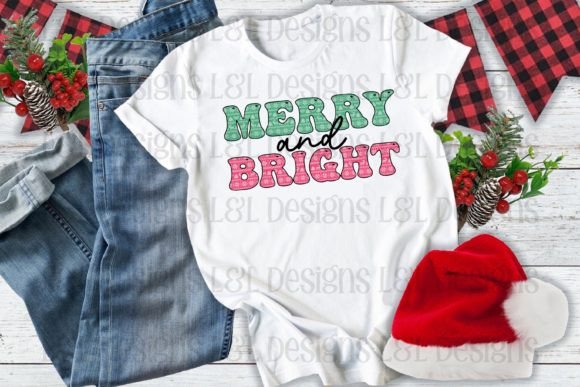
Bright and Merry Christmas: A Designer's Review for Holiday Projects
As we approach the busiest season for custom orders, finding the right machine embroidery design can make or break a product line. I recently took a close look at Bright and Merry Christmas, a piece categorized under Illustrations, to see if it holds up under the scrutiny of real-world production. When you are running a craft business or managing an Etsy seller shop, you cannot afford designs that look good on a screen but fail on fabric. This review breaks down how this specific asset performs when translated from a digital embroidery file to a tangible finished product.
First Impressions and Visual Personality
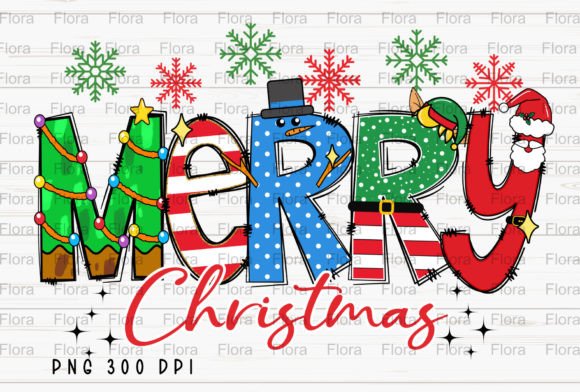
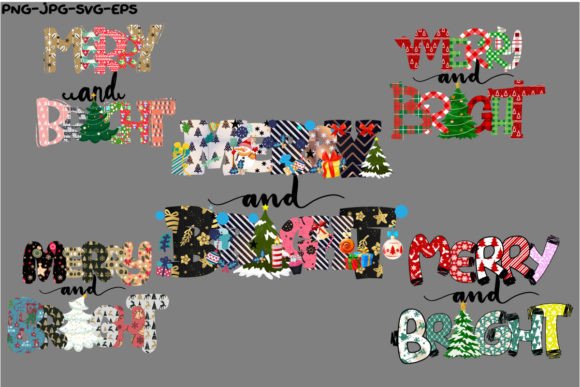
The moment I opened the preview for Bright and Merry Christmas, the mood was immediately clear. It captures that nostalgic, storybook feeling that customers crave during the holidays without feeling overly cluttered. As an Illustrations type design, it relies heavily on clean lines and balanced spacing rather than heavy, solid blocks of color. This is crucial for modern aesthetics where less is often more.
The layout suggests a strong visual hierarchy. Whether it features whimsical characters, festive typography, or decorative elements, the composition feels intentional. For a designer, this means the eye is led naturally through the piece. The "bright" aspect of the title implies a vibrant color palette, which usually translates well to thread colors like crimson, emerald, and gold. However, the true test lies in how these colors interact with different fabric textures. A design that pops on white cotton might get lost on a heather grey sweatshirt, so understanding its contrast capabilities is key before committing to a large run.
Real-World Application: The Holiday Tote Scenario
To truly evaluate Bright and Merry Christmas, I imagined a specific client request: a set of custom reusable tote bags for a local boutique's holiday gift-with-purchase promotion. This is a common scenario for small shop products where durability and visual appeal must coexist. Tote bags are typically made of canvas or heavy cotton twill, which provides a stable base for embroidery.
In this context, the design shines. The illustrative nature of the artwork allows it to serve as a focal point on the front of the bag. Because totes are often carried casually, the design doesn't need to be overly formal. The stitch work appears to have a good mix of satin stitch for outlines and fill stitch for larger areas, creating a texture that invites touch. If this were a purely digital print, it would lack that premium handmade feel. By using this as an embroidery project, the perceived value of the tote increases significantly, justifying a higher price point for the boutique owner.
Furthermore, this design would translate beautifully to sweatshirt embroidery. Imagine a cozy crewneck with Bright and Merry Christmas stitched on the left chest or centered on the back. The illustrative style tends to age better than trendy, ultra-modern graphics, making the garment something the customer will want to wear year after year. This longevity builds customer trust in your brand, as they associate your handmade product with quality and timeless style.
Navigating Fabric Challenges and Hoop Limitations
While the design is promising, practical execution requires caution. Not every surface is ready for Bright and Merry Christmas. If you are working with stretchy fabrics like jersey knits for baby embroidery projects, you must be vigilant about stabilization. Illustrative designs often contain fine details that can distort if the fabric shifts during stitching. Using a high-quality cut-away stabilizer is non-negotiable here to maintain the integrity of the small corners and intricate lines.
Another consideration is the hoop size. Depending on the specific dimensions of the file you purchase, you might find it fits snugly in a standard 4x4 hoop or requires a larger 5x7 area. Always check the file specifications before hooping. If the design is too large for a curved surface like a cap, you risk puckering or incomplete stitches near the edges. For custom apparel like hats, ensure the design width accommodates the curvature of the front panel. If the original file is too wide, you may need to request a resized version or choose a different placement, such as the side of the cap.
Density is also a factor. Heavy stitch density can make a garment stiff and uncomfortable, especially on items worn against the skin. If Bright and Merry Christmas has dense fill areas, consider testing it on a scrap piece of the same fabric first. Check the back of the sample; if there is excessive thread buildup, you might need to adjust your machine tension or use a water-soluble topper to prevent the threads from sinking into plush fabrics like towels or fleece blankets.
Commercial Viability and Brand Consistency
For commercial embroidery professionals, consistency is everything. When selling design assets or finished goods, the final output must match the printable mockup shown to the client. Bright and Merry Christmas offers a level of detail that photographs well, which is essential for online listings. High-resolution images of the stitched result can drive engagement and sales.
However, before listing this as a personalized gift option or incorporating it into a holiday embroidery collection, you must verify the licensing terms. Some designers allow unlimited sales of finished physical items, while others restrict the number of units or prohibit use in digital resale. Never assume; always read the license agreement included with the embroidery file. This protects your business from legal issues and ensures ethical practices within the creative community.
Additionally, think about how this design fits your existing brand. If your shop specializes in minimalist, single-color logos, a colorful illustrative piece might feel out of place unless marketed as a special seasonal collection. Conversely, if your brand is known for whimsical, detailed work, Bright and Merry Christmas reinforces your identity. It acts as a bridge between your artistic vision and the customer's desire for festive decor or apparel.
Final Verdict and Practical Tips
In summary, Bright and Merry Christmas is a strong contender for your holiday lineup, provided you respect its technical requirements. It excels on stable fabrics like canvas, denim, and heavy cotton, making it ideal for tote bag designs, aprons, and pillow covers. Its illustrative charm adds a layer of sophistication that elevates simple garments into keepsake items.
Before launching your production run, follow these essential steps:
- Test on scraps: Always stitch a sample on the exact fabric you plan to use for the final product.
- Check contrast: View the design in black and white to ensure the details remain visible without color reliance.
- Verify sizing: Confirm the hoop size compatibility with your machine and the intended garment area.
- Review licensing: Ensure your intended commercial use aligns with the creator's terms.
- Optimize stabilization: Match your stabilizer choice to the fabric weight and stretch.
By approaching Bright and Merry Christmas with a critical, professional eye, you can transform a simple digital file into a best-selling small business merchandise item. It is not just about stitching a pattern; it is about creating a finished product that brings joy to the recipient and profit to your portfolio. With careful planning and attention to detail, this design can be a standout star in your holiday catalog.